PEDIATRIC SPEECH PATHOLOGY
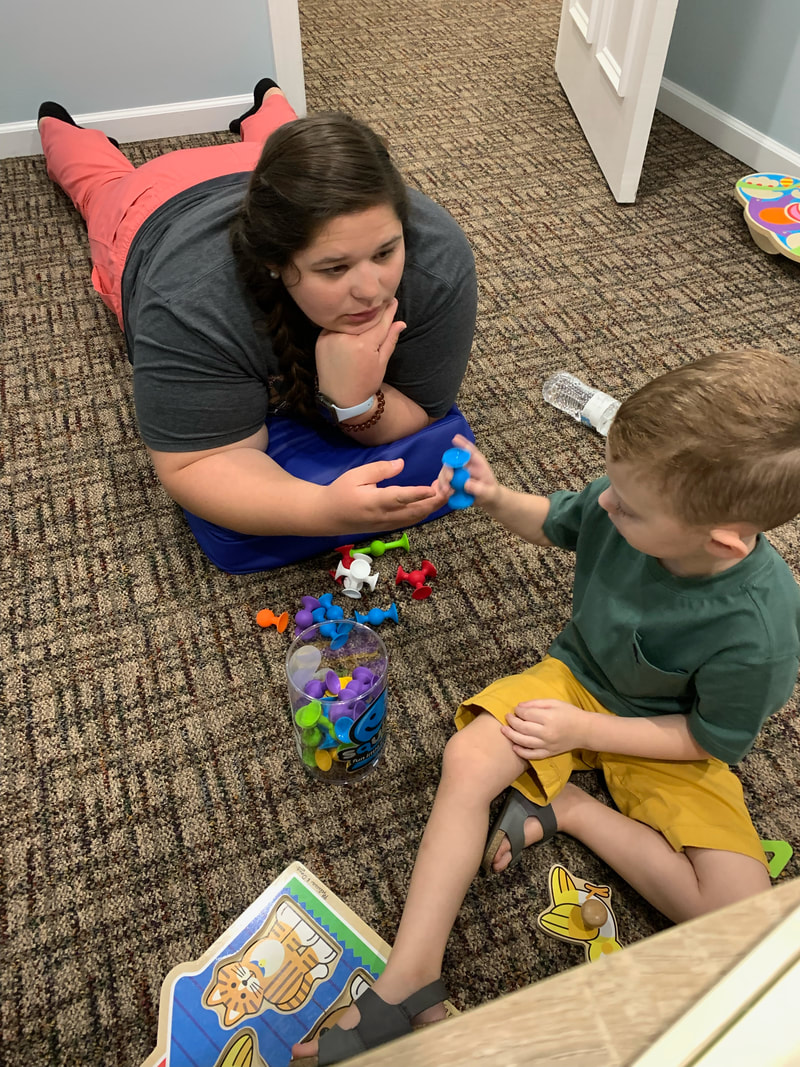
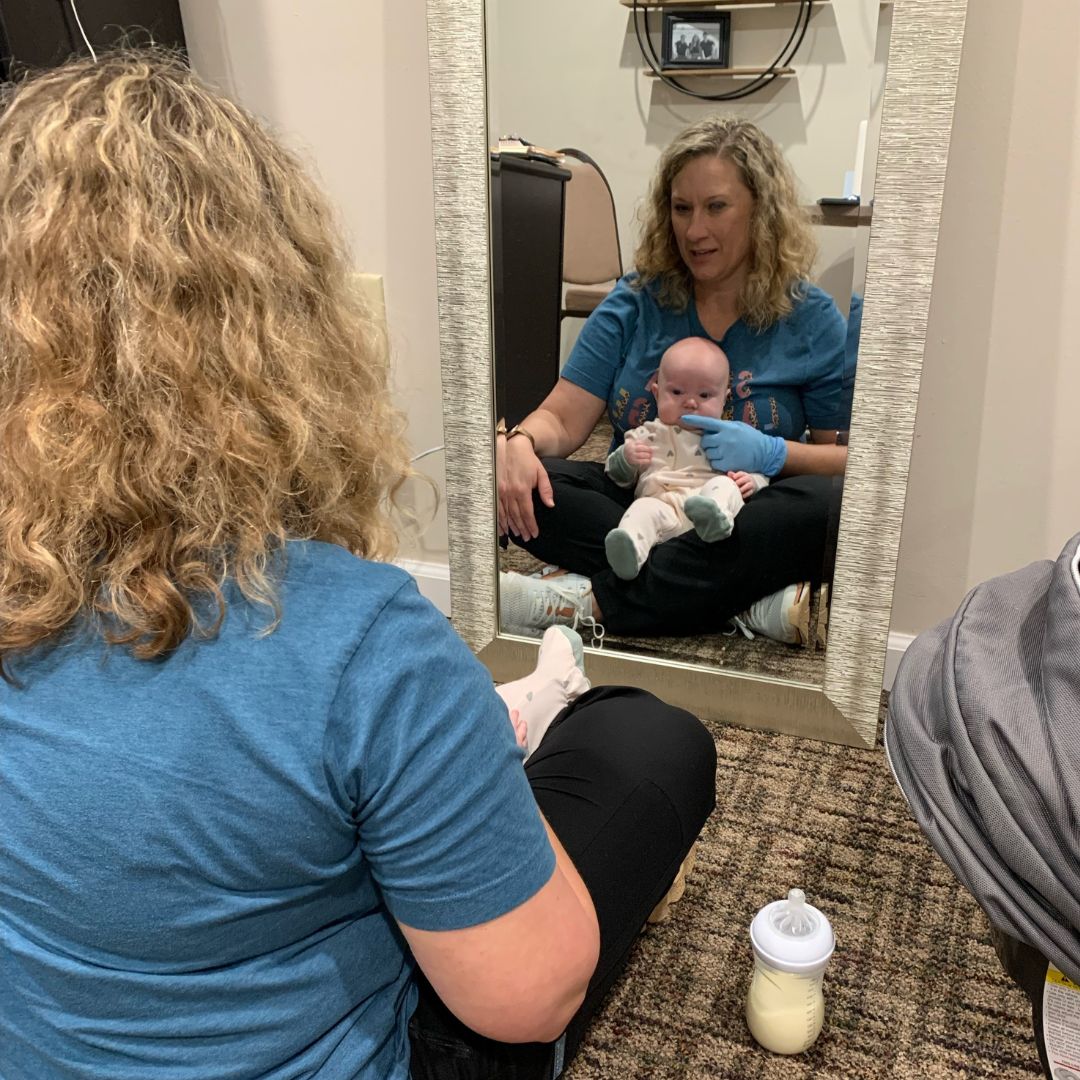
At Collective Therapy, our pediatric speech-language pathologists work with children of all ages to support the development of communication, language, speech, feeding, and swallowing skills. We create individualized, play-based, and evidence-driven treatment plans that help children grow in confidence and reach their fullest potential in everyday life.
Common Reasons for Referral to Speech Therapy May Include:
- Difficulty with feeding and swallowing (from infants to older children)
- Limited ability to follow simple directions or identify objects by 18 months
- Saying only a few sounds or words by 18–24 months
- Not combining words by age 2
- Regression or loss of previously acquired language skills
- Challenges with social communication (e.g., limited eye contact, lack of response to name, repetitive language or behaviors)
- Speech that is difficult to understand after 24 months
Our goal is to empower children with the tools they need to effectively communicate, engage with others, and thrive in all aspects of life.
If you have concerns about your child's development, you should discuss your concerns with your Primary Care Provider or Pediatrician.
ADULT SPEECH PATHOLOGY
Collective Therapy provides specialized speech-language pathology services for adults experiencing difficulties with speech, swallowing, or voice. Whether challenges arise from stroke (CVA), neurological conditions like Parkinson’s disease, aging voice, memory decline, or poor executive functioning, our licensed therapists develop personalized, evidence-based treatment plans to meet each individual's needs. We focus on improving communication clarity, safe and effective swallowing, and healthy voice use.
Common Reasons for Referral to Adult Speech Therapy May Include:
- Difficulty with speech, understanding language, or expressing thoughts after a stroke (CVA)
- Changes in memory, attention, or problem-solving following a traumatic brain injury (TBI)
- Speech or swallowing difficulties related to neurological conditions such as Parkinson’s disease, ALS, or multiple sclerosis
- Chronic hoarseness, vocal fatigue, or voice changes (aging voice or vocal strain)
- Trouble chewing or swallowing food safely (dysphagia), frequent coughing during meals, or recurring aspiration pneumonia
- Difficulty finding words, forming sentences, or understanding spoken/written language (aphasia)
- Slurred or unclear speech due to muscle weakness or incoordination (dysarthria)
- Difficulty planning or coordinating speech movements (apraxia of speech)
- Speech and swallowing challenges related to head or neck cancer treatment
- Communication changes associated with dementia or age-related cognitive decline
Our goal is to help adults regain independence, confidence, and overall quality of life through compassionate, functional care.